FIELD STUDIES
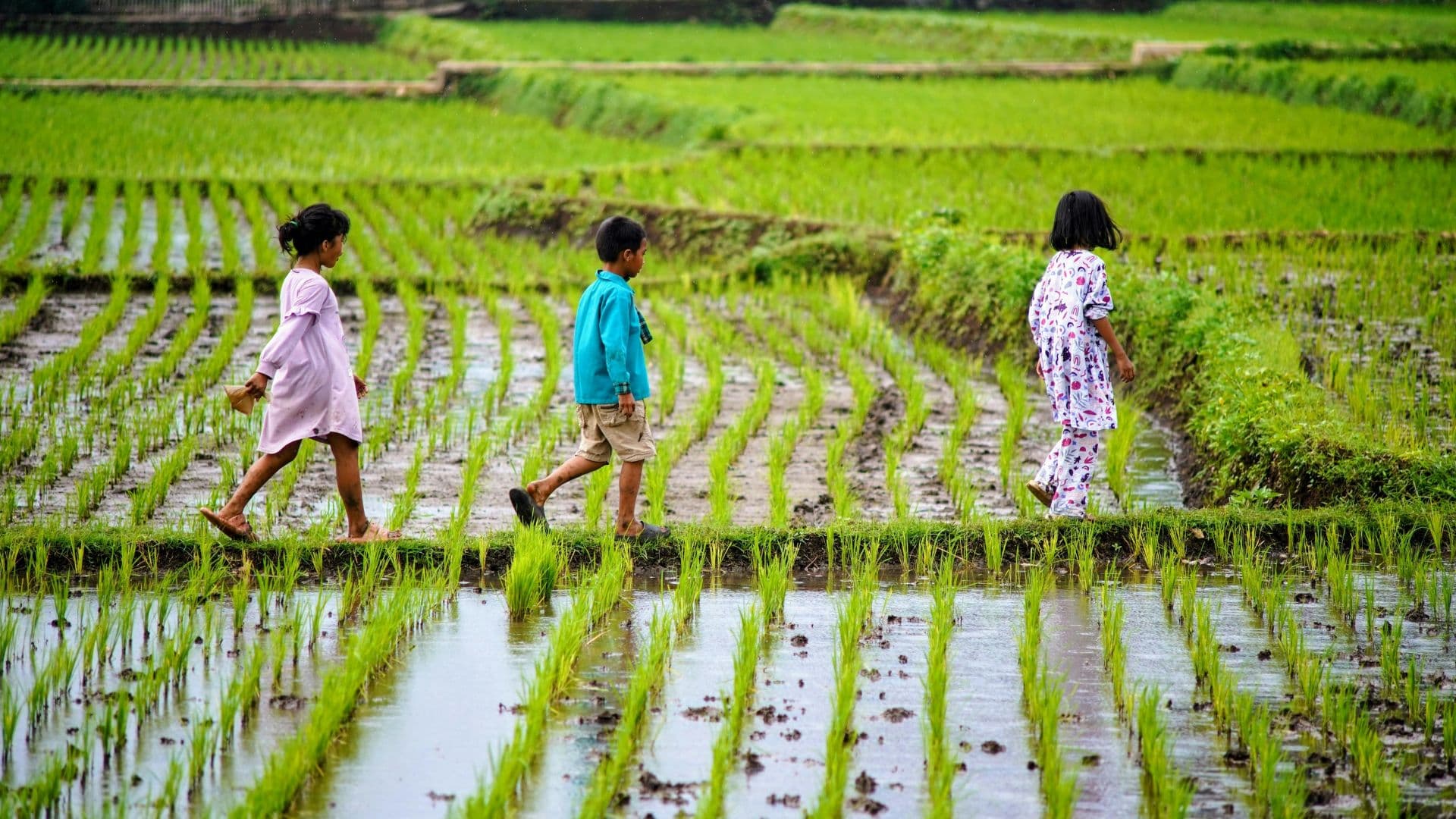
AGC runs immersive field study programs in Central Java, Indonesia, for high school and university students, as well as educators.
Rooted in place-based learning, these programs connect global challenges, such as sustainable development, climate change, disaster risk, and human rights, to lived realities across urban, rural, coastal, and high-risk environments. Using Central Java as the setting for study, the programs are anchored in Yogyakarta and its surrounding regions.
Programs typically run for 10 to 21 days, allowing time for deep inquiry, critical reflection, and sustained community engagement.
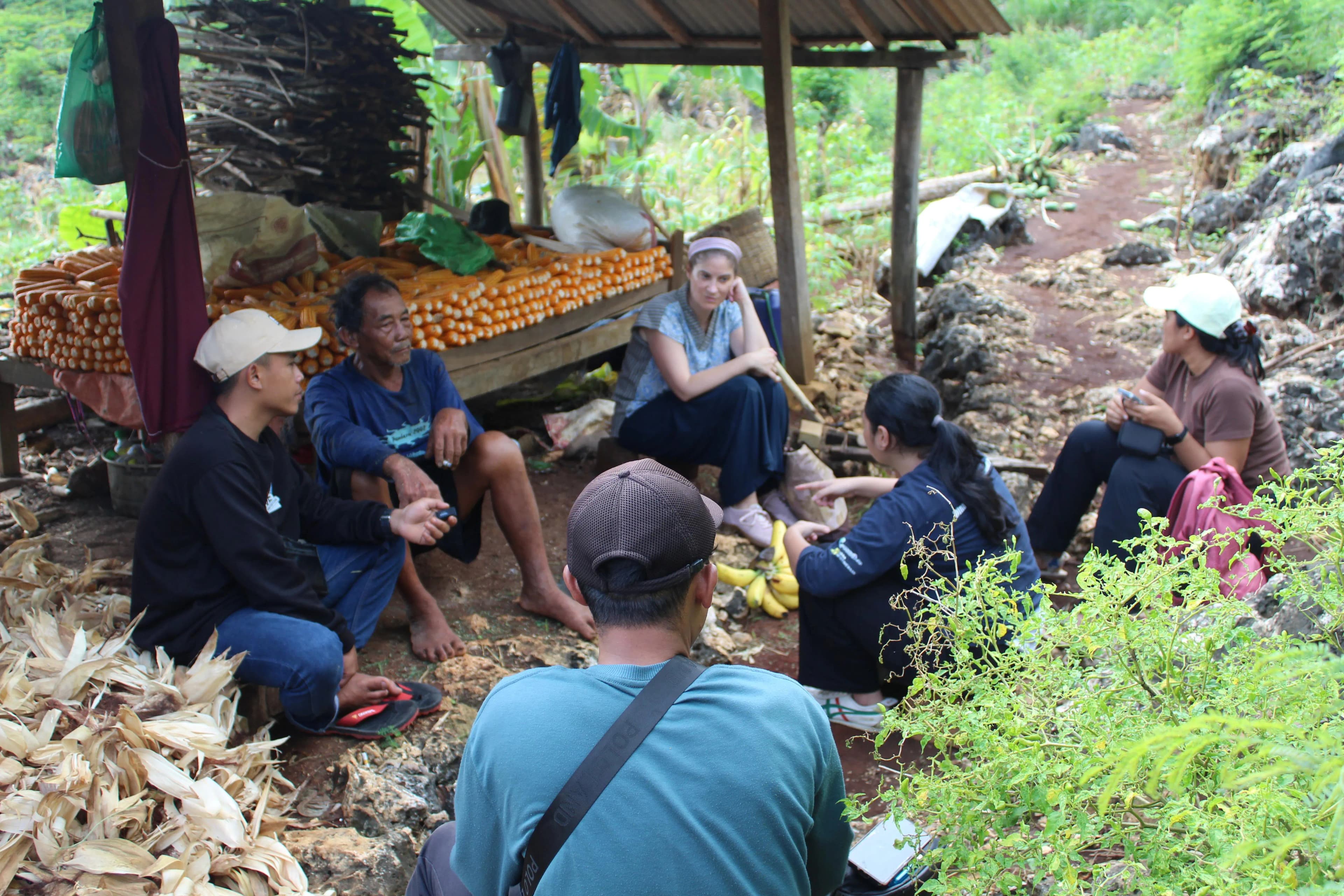
All field studies are developed and delivered in close collaboration with local communities, whose members participate as teachers and knowledge holders rather than simply hosts. Participants learn directly from artists, farmers, cooperatives, activists, and local leaders, engaging with local histories, livelihoods, cultural traditions, and environmental practices.
YOGYAKARTA AS AN A LIVING CLASSROOM
Using Central Java as a living classroom, the program is anchored in Yogyakarta and its surrounding regions.
Yogyakarta (often called Jogja) is both a city and a special region in Central Java, Indonesia. This Special Region of Yogyakarta is unique because it is governed by a hereditary sultan, who also serves as the regional governor, a system recognized by the Indonesian government after independence.
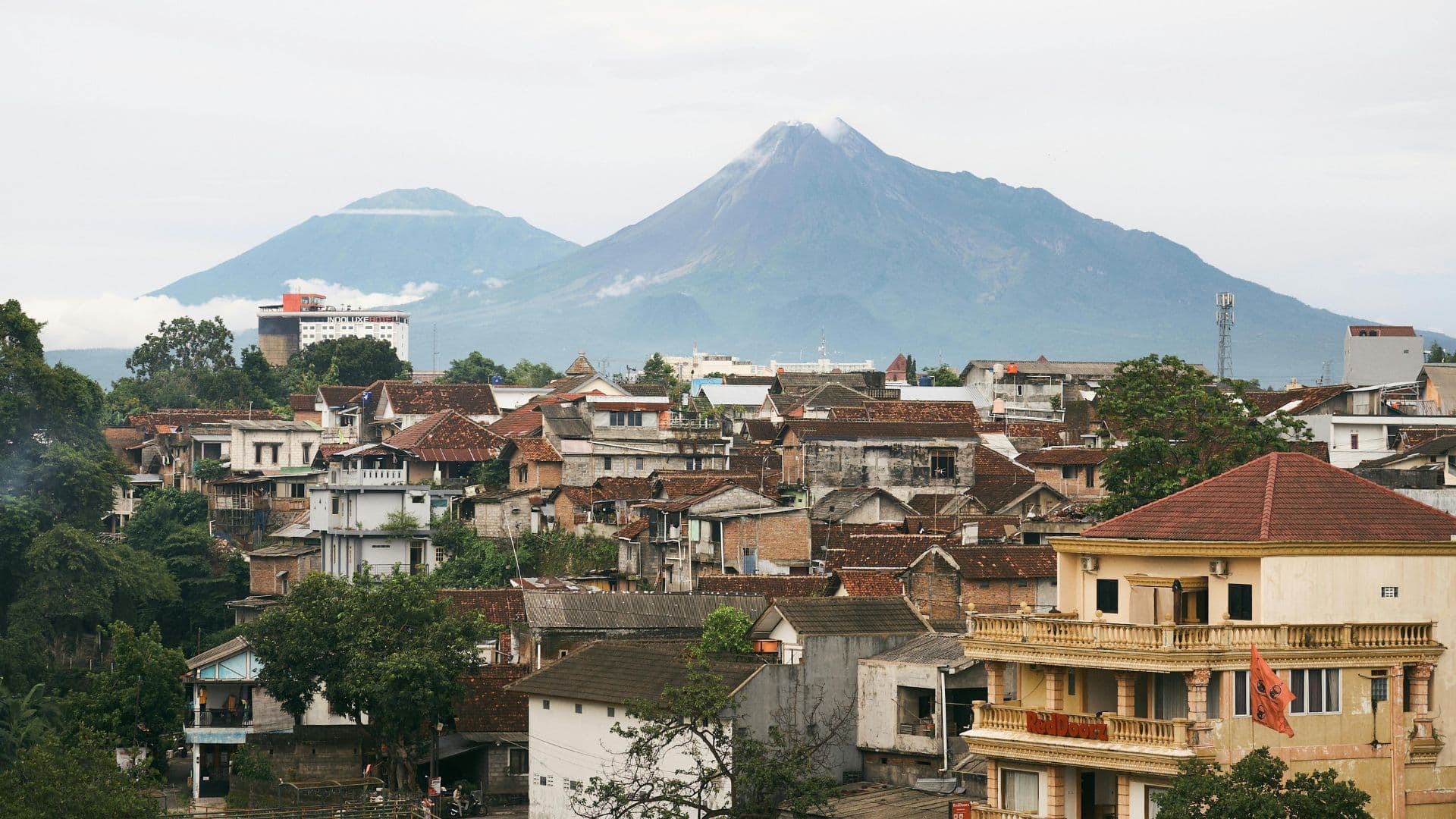
The region includes the city of Yogyakarta and four surrounding districts, combining urban neighborhoods, villages, farmland, and important cultural and natural sites. Just north of the city lies Mount Merapi, one of the most active volcanoes in the world, which shapes daily life through disaster planning, land use, and community preparedness. As climate change alters rainfall patterns and increases environmental uncertainty, Merapi highlights how natural risk, science, government decision-making, and local knowledge intersect.
Yogyakarta is known for its royal palace (the Kraton), strong traditions such as batik and wayang, and its role in Indonesia’s independence movement. Today, it is also a major center for universities, arts, and student activism, making it an important place to study how history, power, culture, and environmental challenges shape everyday life.
Field studies focus on the following themes:
1. Distinct Governance and History
As the only region in Indonesia with special autonomous status, Yogyakarta is governed by a hereditary sultanate, where the Sultan also serves as governor. Students visit sites such as the Kraton (Sultan’s Palace), Taman Sari Water Castle, and historic neighborhoods to explore the city’s royal, colonial, and post-independence histories.
2. Art and Activism
Yogyakarta is also a major center of arts, education, and activism, making it an ideal setting for studying culture as both creative practice and social expression. Students do not only observe art, they actively participate in it. They create batik, experiment with ecoprinting using natural dyes, and craft silver jewelry alongside local artisans, learning how these practices are tied to livelihoods, gender roles, and environmental sustainability. Through traditional puppetry (wayang) and Ramayana performances, students examine how storytelling, myth, and performance have long conveyed moral values, political ideas, and cultural identity.
3. Sacred Heritage and Traditions
The program includes visits to Borobudur and Prambanan, two of Southeast Asia’s most significant cultural and religious sites. At Borobudur, the world’s largest Buddhist temple, students explore how religion, power, and morality are expressed through architecture and stone reliefs, and how sacred heritage is preserved in the modern world. At Prambanan, a major Hindu temple complex, students examine religious pluralism and observe how the Ramayana—carved into the temple walls—continues to shape living cultural traditions through dance and performance today.
4. Community-Based Tourism and Regenerative Economics
Yogyakarta also serves as a strategic base for linking urban learning to surrounding case studies across Java. A core pillar of the program is sustainable development, community-based tourism, and regenerative economics in Tembi Village. In Tembi, participants stay at a locally rooted eco-resort that intentionally embraces principles of regeneration and Doughnut Economics, using its operations as a learning site. The eco-resort models how tourism can meet social needs—fair livelihoods, cultural preservation, and community wellbeing—while staying within ecological limits through responsible land use, local sourcing, and low-impact design.
Through engagement with community cooperatives, artists, homestay owners, women-led enterprises, and small local businesses, participants explore how tourism and local enterprise can strengthen, rather than exploit, community wellbeing, culture, and ecosystems.
5. Climate Change, Risk, and Adaptation
Climate-related disaster risk comes into focus at Mount Merapi, one of the world’s most active volcanoes. Participants learn how volcanic risk is managed through scientific monitoring, evacuation planning, and community communication, and how climate change is complicating these systems. Shifts in rainfall patterns have altered volcanic flows, making eruptions less predictable and weakening the reliability of long-standing traditional knowledge. During a recent eruption, gaps between scientific forecasting, local knowledge, and government evacuation advice contributed to delays and loss of life. Merapi highlights the urgent need to strengthen trust, communication, and coordination as climate change reshapes risk governance.
Participants also spend time in a small village in Gunungkidul, a two-hours drive from Yogyakarta, where the program centers on climate adaptation and water scarcity. Students examine how changing rainfall patterns, prolonged droughts, and karst geology shape access to water, agriculture, and health, and how communities respond through rainwater harvesting, locally built infrastructure, and collective planning. This site grounds climate change in lived experience, emphasizing resilience, inequality, and the right to water.

Learning Outcomes and Community Partnership
For students: Our field studies programs function as an inquiry-based course. Participants develop substantive knowledge of how global challenges, such as climate change, development, economic systems, disaster risk, and human rights, are experienced and navigated in specific local contexts through direct engagement with communities, place-based case studies, facilitated dialogue, and sustained reflection.
For IB Global Politics students: These engagement activities can serve as the foundation for their Internal Assessment.
For teachers and curriculum leaders: The program also serves as professional learning and curriculum design. Participants leave with deepened content knowledge, grounded case studies, and primary-source material that can be translated into ready-to-teach lessons aligned with Global Politics, Human Rights, Development, Regenerative Economics, and Climate Justice courses.